

Read in 简体中文
最后更新:7 月 11 日
- 将”横向对比”部分按使用场景(多模态、纯编程、大用量、云端编程)重构为可快速浏览的要点列表。
- 新增”编程智能体:Cursor vs. Devin”子章节,清晰拆解两者之间的取舍。
- 新增”更大的转变:平台正在改变策略”——涵盖行业整体从”前沿模型大用量访问”转向”自适应智能路由”的趋势,具体涉及 Cursor 的 Auto + Composer 池和 Devin 的 SWE 系列。
- 新增”更便宜的模型的隐藏成本”——解释为什么单 token 成本更低不等于总成本更低,以及为什么可靠性仍然让用户倾向于闭源模型。
- 澄清即使平台在推广自适应路由与他们的自研发模型,用户仍然可以使用模型选择器。
引言
随着 GLM-5.2、Cursor Composer 2.5、SWE-1.7 等模型的发布,Grok Build 这类智能体的推出,以及 Anthropic、OpenAI 等大公司的一系列更新,很多人都拿不准:每月 20 美元,到底该订阅哪家 AI?这篇博客会把更多 AI 订阅方案纳入比较,并更深入地分析它们之间的细微差别,从而提供更实用的购买建议(不专业的那种)。
在上一篇博客《What $20 Buys You in the Age of AI》中,我聊了 OpenAI、Anthropic 和 Google 的主要 AI 订阅方案。它们都有一个共同的局限:订阅只能使用自家的模型,无法使用其他提供商的模型——Google 是个例外,它在 Antigravity 中提供了 Claude 系列模型的使用权限。而开源模型则大多出现在其提供商自家的编程订阅方案里(这些我都没用过,所以这里没法展开),或者出现在 OpenCode Go、Ollama Cloud 这类订阅服务中。
我们会先在上一篇博客的基础上继续展开,然后再延伸到更多 AI 提供商。
Claude
先说订阅 Claude 的理由。
Claude 的写作体验非常好——至少在我写这篇博客的当下,明显优于 ChatGPT。所以如果你是写作者,选 Claude 比选 GPT 更合适。虽然 Gemini 也有创意写作能力,但我没有把它纳入这次比较,因为 gemini.google.com 似乎无法提供可靠的智能体式工具调用体验:模型经常误解我说的”翻一翻我个人网站上的博客”或”打开一个画布(Canvas)来写博客”是什么意思,很多时候它根本无法完成我交给它的任务。
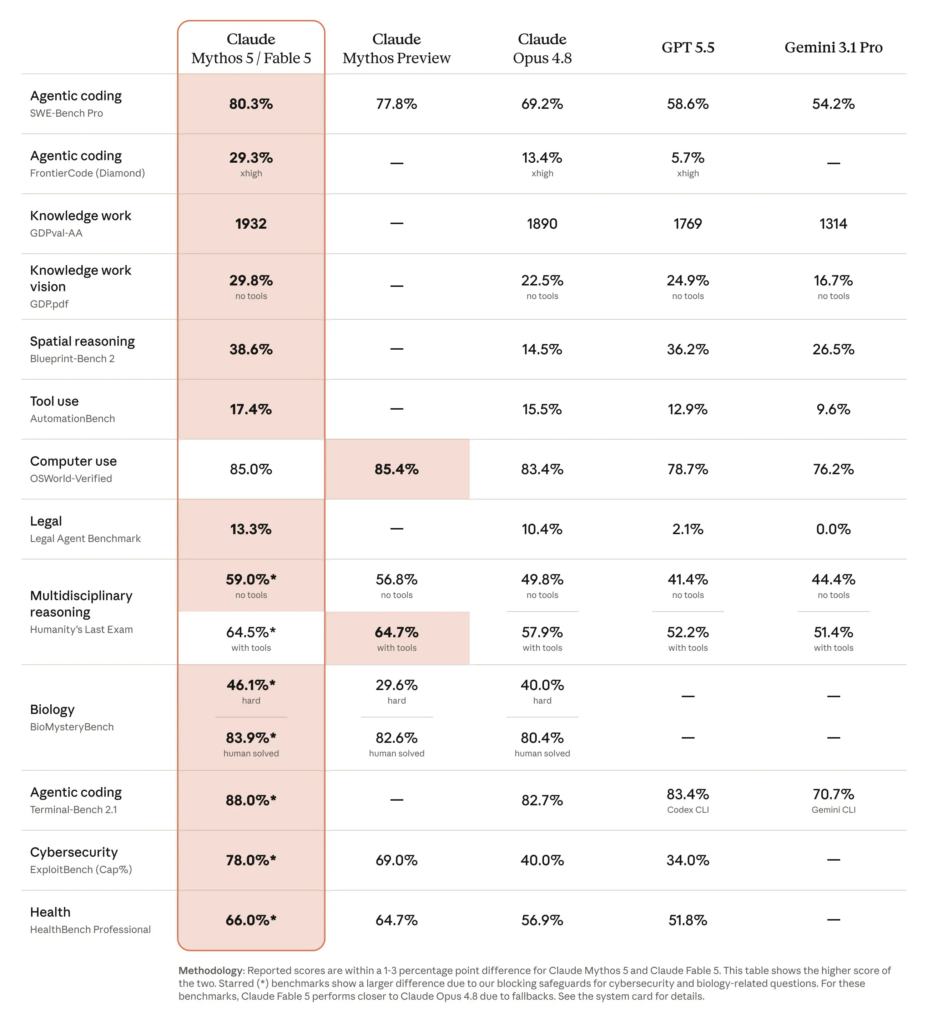
此外,Claude 提供了编程领域的 SOTA 模型。Claude 系列一直以编程能力著称。一个缺点是,Anthropic 似乎并不打算把 Fable 5 纳入订阅。顺带介绍一下:Fable 5 是 Mythos 的受限版本,后者是编程、网络安全等领域的 SOTA 模型;但 Fable 5 带有非常严格的安全护栏——当用户的请求触发某些安全设置时,它会回退到 Opus 4.8。
https://www.anthropic.com/news/redeploying-fable-5
https://www.anthropic.com/claude/mythos
不过,这同时也构成了一个不订阅的理由:目前 Fable 5 预计只能占用你订阅额度的 50%,而且只是限时政策——截止到 7 月 12 日。
ChatGPT
订阅 ChatGPT 的理由包括:多模态输入/输出能力、SOTA 级别的图像生成、语音模型,以及编程能力。另外,OpenAI 很快就会发布 GPT-5.6 系列,其水平已经接近 Mythos,但还没有完全达到。不过,鉴于 Anthropic 短期内似乎不打算让订阅额度覆盖 Fable 5 的使用,GPT-5.6 Sol 将在一段时间内成为最强大的编程模型。GPT-5.6 系列有三个尺寸:Sol、Terra 和 Luna。
https://openai.com/index/previewing-gpt-5-6-sol https://deploymentsafety.openai.com/gpt-5-6-preview
OpenCode、OpenCode Go 与 Ollama Cloud
我觉得上一篇文章已经把 OpenCode Go 讲得比较清楚了,这里再补充一点信息:
OpenCode 支持接入非常多的提供商,在不同模型和提供商之间切换非常方便。
OpenCode Go 提供 60 美元的用量,但速度其实有点慢。如果 OpenCode Go 在用量和速度上都无法满足你的需求,可以试试 Ollama Cloud。
Ollama Cloud 的订阅可以为许多不同的智能体和工具提供支持,而且用量相当可观。如果你的工作流程需要大量自动化,非常值得一试。
其他提供商
虽然我很想把其他提供商也纳入比较,但除了 Devin 之外,其余的我用得都还不多。所以在这一部分,你需要多参考他人的建议,多听听社区和其他用户的反馈。别担心——我在这里放了一些值得参考的帖子。
Devin
我以前是 Windsurf 的用户,而 Windsurf 前段时间被并入了 Cognition。现在它以 Devin Desktop 的形式回归,我很想看看这两家公司(现在已是一家)在计费细节上有哪些变化,尤其是模型可用性和用量额度方面。
在我用另一台设备做的测试中(很遗憾,那台机器上的数据没办法上传),Devin 给你两种限制:每日限额和每周限额。单日限额最多可以用掉每周限额的一半,所以即便你只在周末使用,也不用担心无法充分利用你的订阅方案。Devin 中所有模型共享同一个用量池。在我的测试中,按 API 价格折算,每周大约是 20 美元——那么一个月四周,通过 Devin CLI 大约就是 80 美元的用量。顺便说一句,我的测试只在 Devin CLI 中进行,所以如果你使用云端智能体(cloud agent)之类的功能,这些数字就不准了。
Devin 提供主流闭源模型和开源模型供你编程使用,同时还有他们自家的 SWE 系列模型和一个 Adaptive 模型。
https://docs.devin.ai/cli/adaptive
Adaptive 是 Cognition 的智能模型路由器,会为每个任务自动选择最合适的 AI 模型。
无论具体请求实际路由到了哪个底层模型,Adaptive 都按固定的每 token 费率扣减你的额度。目前,Adaptive 模型的额度与超额部分按首发优惠费率计费(截止 2026 年 7 月 7 日)。
| Token 类型 | 每 100 万 token 价格 |
|---|---|
| 输入 token | $0.50 |
| 输出 token | $2.00 |
| 缓存读取 token | $0.10 |
目前 SWE-1.7 和一些开源模型限时免费,可以在你额度用完时充当兜底的安全网,你也可以借此测试 20 美元的方案是否适合你的使用场景。就我个人而言,即使用的是开源模型,20 美元也可能两天就用光。
SWE 在速度和智能水平上的表现也都非常亮眼。
Cursor
Cursor 提供两个用量池:一个是 Auto + Composer 池,另一个是 API 池。简单来说,如果你的方案是 20 美元,它会在 API 池中给你 20 美元的按量付费(PAYG)额度,按模型实际定价计费。而 Auto + Composer 池则会把请求路由到 Composer 系列模型和 Auto 模型,额度消耗明显更慢。
可以看看这个帖子:
Composer 2.5 发布时,据称能以明显更低的成本提供 Opus 级别的性能。
https://cursor.com/blog/composer-2-5
而且确实如此:大多数情况下你并不需要顶级模型——它们是留给最难的问题的。
Grok
Grok 4.5 刚刚发布,据称能以低得多的价格提供 Opus 级别的性能。另外,根据 Artificial Analysis 的数据,Grok 4.5 似乎能用少得多的 token 完成任务,从而耗时更短、成本更低。
如何让你的用量消耗得更慢
我推荐读一读 ClaudeDevs 的这几篇帖子,其中介绍了两种工作流模式:”Fable 5 编排者 + Sonnet 5 工作子智能体”模式,以及”顾问(Advisor)”模式(由执行者 Sonnet 5 调用 Fable 5 来获取指导)。
这两种模式的思路都是:便宜的模型负责执行,性能更强、更贵的模型负责决策和规划,从而在有限的预算内提升整体表现。
即使你不用 Claude Code 或 Claude 系列模型,这个思路同样适用——比如,先切换到强力模型做规划,再切换到便宜的模型去执行,或者允许你的智能体调用 claude -p。
基准测试
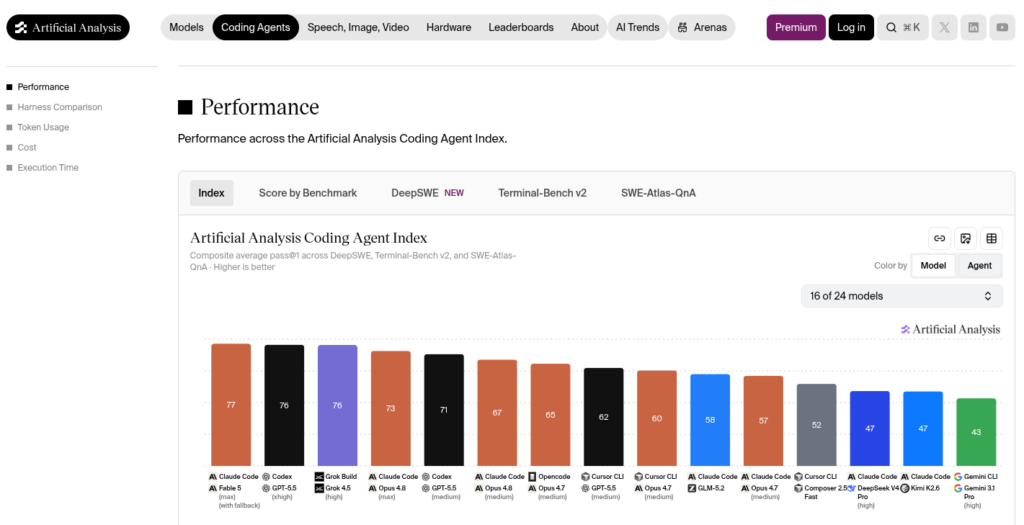
当你想比较不同模型在不同领域的表现时,Artificial Analysis 是一个值得研究的平台。但你不应该只看基准测试,因为真实世界的使用与基准测试差别很大——提示词更复杂、使用场景更多样,等等。找到真正适合你的方案,注定是一件费时费力的事。
横向对比
如果你大部分时间都在用网页聊天界面,那么你的候选名单就是 ChatGPT、Claude、Grok、Gemini,或者 Ollama Cloud 搭配自托管聊天前端。接下来,就看你具体做什么了:
- 需要多模态生成? → ChatGPT、Grok 或 Gemini。
- 只需要编程? → ChatGPT、Claude、Grok 或 Ollama Cloud。
- 需要海量 token 且不介意没有闭源模型? → Ollama Cloud。(说实话,我不确定 Grok 给的 token 量大不大。)
- 需要闭源模型但不需要太大用量? → ChatGPT、Claude 或 Grok。
- 想要云端编程? → ChatGPT 或 Claude。
有一件事让我不太愿意推荐闭源提供商:他们会削弱模型。为了节省算力,他们悄悄降低模型性能,在很多情况下这会让模型变得几乎没法用。开源模型则给你多得多的控制权——你知道自己在运行什么,它不会在你不知情的情况下发生变化。
编程智能体:Cursor vs. Devin
如果你能接受有限的闭源模型用量,选择就在 Cursor 和 Devin 之间。取舍很直接:
- 需要大用量? → Cursor。
- 想要更多闭源模型访问权限,但同时也想试试开源模型和 SWE-1.7(顺便一提,它跑在 1,000 tps)? → Devin。
Devin 还提供云端托管的 Devin Agent,不过你可能会碰到速率限制。另外值得一提的是,Codex 和 Claude Code 都包含云端用量——足够支撑一周内的多个 sprint。
更大的转变:平台正在改变策略
过去,选择编程智能体而不是直接订阅有一个很简单的理由:编程智能体能让你第一时间用上最新模型。订阅 ChatGPT 或 Claude,你就被锁在 GPT 或 Claude 系列里。订阅 Cursor 或 Devin,你什么都能用,而且立刻就能用。
现在情况已经不太一样了——而且这种变化是刻意的。
为最热门的前沿模型提供大用量访问,已经不再是这些平台的首要目标。新的目标是自适应智能:根据任务难度将每个请求路由到最合适的模型,让即使智能水平较低的模型也能产出高质量的结果,用户无需操心模型选择就能获得稳定、可信的体验。这些平台赌的是:稳定的产出比访问某个单一模型更重要。不过别担心,如果你想为特定任务指定模型,你仍然有模型选择器可以用。
各家提供商的策略也反映了这一点。最近几周,随着平均 token 消耗量激增——由更长时间的智能体任务驱动——很多提供商都收紧了方案:
- Cursor 正在转向自家的 Auto + Composer 池,相比闭源替代方案,它的单 token 成本更低。它仍然提供前沿模型,但数量有限。
- Devin 正在投资自家的 SWE 模型系列,用于快速、高性能且不超预算的智能体编程。它的 Adaptive 模型同样以低成本提供自适应智能。不过,GPT-5.6 在 Devin 中仅作为 Devin Cloud 上的限时智能体预览提供,截止到 2026 年 7 月 16 日。
“更便宜”模型的隐藏成本
这是大多数对比文章忽略的部分。
在有限的用量池内,你可以通过降级到开源模型或提供商自有的低智能模型来拉长预算。大多数情况下,它们确实能完成任务。但”单 token 更便宜”并不总是意味着”整体更便宜”。低智能模型会犯更多错误,而纠正这些错误会消耗 token、时间和注意力——有时候比一开始就用更聪明的模型还要多。
这就是为什么很多人仍然信任闭源模型:不是因为基准测试分数,而是因为可靠性。它们能更快地完成任务,自我纠正的循环更少,留下的隐患也更少。我之前描述的 orchestrator + worker 模式能有所帮助——但它并不能完全消除这种失败-修复的隐性成本。
市场正在从”我能访问哪个模型?”转向”我信任哪个平台来智能地路由我的任务?”而这是一个根本不同的问题。
结语
每个方案彼此之间的差异都相当大:模型可用性、模型智能水平、额度、工具可用性、风格,等等。非常重要的一点是:找到最适合你的工具,然后长期坚持使用它,这样你才能拥有固定的工作流和稳定一致的体验,而不必承受在提供商之间来回迁移的时间、金钱和精力成本。因为即便模型是同一批模型,工具本身——以及工具如何为你和模型服务——差别也很大。
Last Updated: July 11th
- Restructured the Comparison section into scannable bullet points by use case (multimodal, coding-only, high-volume, cloud coding).
- Added a dedicated “Coding Agents: Cursor vs. Devin” subsection with a clear tradeoff breakdown.
- Added “The Bigger Shift: Platforms Are Changing Strategy” — covering the industry-wide pivot from high-volume frontier model access to adaptive intelligence routing, with specifics on Cursor’s Auto + Composer pool and Devin’s SWE family.
- Added “The Hidden Cost of ‘Cheaper’ Models” — explaining why lower per-token cost doesn’t always mean lower total cost, and why reliability still drives people toward proprietary models.
- Clarified that model selectors remain available even as platforms push adaptive routing and their own models.
Introduction
With the release of models like GLM-5.2, Cursor Composer 2.5, and SWE-1.7, agents like Grok Build, and updates from major companies such as Anthropic and OpenAI, a lot of people are not sure which AI to subscribe to with $20 per month. This blog adds more AI subscriptions to the comparison and digs deeper into their nuances to provide more practical purchase advice (unprofessionally).
In my last blog, What $20 Buys You in the Age of AI, I talked about the major AI plans from OpenAI, Anthropic, and Google. All of them have limits: their subscriptions only allow you to use their own models, not those from other providers — except for Google, which provides access to Claude models in its Antigravity. Open models, on the other hand, are mostly used in the coding plans of their own providers (I haven’t used any of these, so I can’t talk about them here), or offered in subscriptions like OpenCode Go or Ollama Cloud.
We will build on that last blog first, and then extend to more AI providers.
Claude
First, the reasons for subscribing to Claude.
Claude offers a great writing experience — significantly better than ChatGPT’s, at least as of the time I am writing this blog. So if you are a writer, Claude is a better choice than GPT. I’m not putting Gemini in this comparison even though it has creative writing ability, because gemini.google.com does not seem to offer a reliable agentic tool-calling experience: the model misunderstands what I mean by “looking through my blogs on my personal website” or “opening a canvas to write the blog,” and much of the time it is unable to finish the tasks I assign to it.
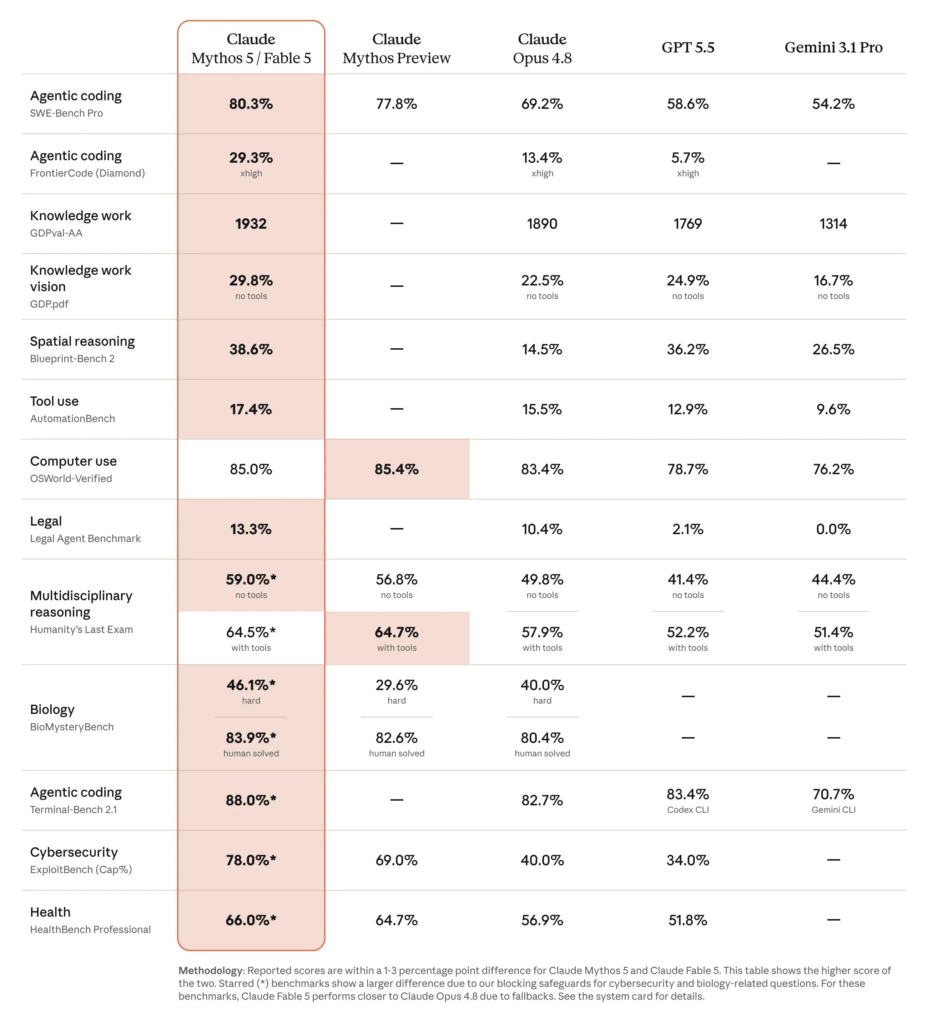
In addition, Claude provides SOTA models for coding. The Claude series has always been famous for its coding ability. One drawback is that Anthropic does not seem to plan to add Fable 5 to the subscription. FYI, Fable 5 is a restricted version of Mythos, a SOTA model in coding, cybersecurity, etc., but with very strict guardrails — it will fall back to Opus 4.8 when a user’s request violates certain safety settings.
https://www.anthropic.com/news/redeploying-fable-5
https://www.anthropic.com/claude/mythos
However, this is also a reason not to subscribe: for now, Fable 5 is only expected to be covered by 50% of your subscription quota, and only for a limited time — until July 12th.
ChatGPT
Reasons for subscribing to ChatGPT include its multimodal input/output ability, its SOTA image generation, its voice model, and its coding ability. Plus, OpenAI will release the GPT-5.6 family shortly, which approaches Mythos level, though it is not quite there yet. However, given that Anthropic does not seem to plan to let subscription quota cover Fable 5 usage any time soon, GPT-5.6 Sol would be the most powerful coding model for a while. The GPT-5.6 family comes in three sizes: Sol, Terra, and Luna.
https://openai.com/index/previewing-gpt-5-6-sol https://deploymentsafety.openai.com/gpt-5-6-preview
OpenCode, OpenCode Go & Ollama Cloud
I think I made OpenCode Go quite clear in the last post, but here is a little more information to add:
OpenCode allows you to integrate a lot of providers, making it very convenient to switch between models and providers.
OpenCode Go gives you $60 of usage, but it is actually kind of slow. If OpenCode Go does not fit your needs in both volume and speed, try Ollama Cloud.
Ollama Cloud powers a lot of different agents and tools with its subscription, and it comes with a rather large volume of usage. It is really worth trying if your work requires a lot of automation in the workflow.
Additional providers
Although I would really like to put other providers into the comparison, I have not used them much yet, except for Devin. So this is a section where you will need to seek advice from others and listen to feedback from the community and other users. Don’t worry — I have included some posts worth referring to here.
Devin
Formerly, I was a user of Windsurf, which was merged into Cognition a while ago. Now that it is back as Devin Desktop, I’d like to see how these two companies (now one) have changed their billing details, especially model availability and usage quota.
In my test from another device (unfortunately, I cannot upload the data from that machine), Devin gives you two limits: a daily limit and a weekly limit. You can spend up to half of your weekly limit within a single daily limit, so you don’t have to worry about being unable to fully leverage your plan, even if you are a weekend-only user. All models in Devin share the same usage pool. In my test, it came to roughly $20 in API terms per week — so one month, four weeks, roughly $80 of usage via the Devin CLI. My test was conducted in the Devin CLI only, by the way, so if you use functions like the cloud agent, these numbers will be inaccurate.
Devin gives you the major proprietary models and open-source models for your coding experience, along with their own SWE series and an Adaptive model.
https://docs.devin.ai/cli/adaptive
Adaptive is Cognition’s intelligent model router that automatically selects the best AI model for each task.
Adaptive draws down your quota at a fixed per-token rate, regardless of which underlying model is selected for a given request. Currently, the Adaptive model consumes quota and overage at an introductory promotional rate (through July 7, 2026).
| Token type | Cost per 1M tokens |
|---|---|
| Input tokens | $0.50 |
| Output tokens | $2.00 |
| Cache read tokens | $0.10 |
Currently, SWE-1.7 and some open models are free for a limited time, acting as a safety net to fall back on when you run out of quota, so you can test whether the $20 plan fits your use case. For me personally, $20 can run out in just two days, even with open models.
SWE also offers very eye-catching performance in both speed and intelligence.
Cursor
Cursor offers two usage pools: one is the Auto + Composer pool, and the other is the API pool. In short, if your plan is $20, it gives you $20 of PAYG quota in the API pool, priced according to actual model pricing. The Auto + Composer pool, on the other hand, routes you to the Composer models and the Auto model, and consumes your quota significantly more slowly.
See this post:
When Composer 2.5 was released, it was said to offer Opus-level performance at a rather lower cost.
https://cursor.com/blog/composer-2-5
And it is true that in most cases you do not need top-tier models — they are for the hardest problems.
Grok
Grok 4.5 was just released and is said to offer Opus-level performance at a much lower price. Also, according to data from Artificial Analysis, Grok 4.5 seems to be able to finish a task with far fewer tokens, resulting in less time consumed and lower cost.
How to consume your usage more slowly
I recommend reading these posts from ClaudeDevs, which introduce two workflow models: the “Fable 5 orchestrator + Sonnet 5 worker sub-agents” model, and the “Advisor” model (an executor, Sonnet 5, calls Fable 5 for guidance).
In both cases, the cheaper models handle execution while the pricier, better-performing models handle decision-making and planning, which raises overall performance within a limited budget.
Even if you do not use Claude Code or Claude models, this approach can still work — e.g., switch to a powerful model for planning and then to a cheaper model for execution, or allow your agent to use claude -p.
Benchmarks
Artificial Analysis is a platform worth looking into when you want to compare different models across different fields. But you should not look only at benchmarks, as real-world usage differs from them a lot, with complex prompts, varied usage scenarios, etc. It is going to be hard and time-consuming to find the right plan for you.
Comparison
If you mostly live in a web chat interface, your shortlist is ChatGPT, Claude, Grok, Gemini, or Ollama Cloud paired with a self-hosted chat frontend. From there, it’s a matter of what you actually do:
- Need multimodal generation? → ChatGPT, Grok, or Gemini.
- Coding only? → ChatGPT, Claude, Grok, or Ollama Cloud.
- Need massive token volume and don’t mind losing proprietary models? → Ollama Cloud. (I’m honestly not sure whether Grok gives you a lot of tokens.)
- Need proprietary models but not huge volume? → ChatGPT, Claude, or Grok.
- Want cloud coding? → ChatGPT or Claude.
One thing that makes me hesitate to recommend proprietary providers: they nerf models. To save compute, they quietly degrade performance, and in enough cases that makes a model effectively unusable. Open models give you far more control — you know what you’re running, and it doesn’t change out from under you.
Coding Agents: Cursor vs. Devin
If you can live with limited proprietary model usage, the choice is between Cursor and Devin. The tradeoff is straightforward:
- Need large volume? → Cursor.
- Want more proprietary model access but also want to experiment with open models and SWE-1.7 (which, by the way, runs at 1,000 tps)? → Devin.
Devin also offers a cloud-hosted Devin Agent, though you may hit rate limits. And it’s worth noting that Codex and Claude Code both include cloud usage — enough to sustain multiple sprints in a week.
The Bigger Shift: Platforms Are Changing Strategy
There used to be a simple reason to pick a coding agent over a direct subscription: coding agents gave you day-one access to the newest models. Subscribe to ChatGPT or Claude, and you’re locked into the GPT or Claude families. Subscribe to Cursor or Devin, and you got everything, immediately.
That’s no longer quite true — and the change is deliberate.
Providing high-volume access to the most popular frontier models is no longer the primary goal for these platforms. The new goal is adaptive intelligence: routing each task to the right model for its difficulty, so that even lower-intelligence models produce high-quality results, and users get a stable, trusted experience without having to think about model selection. The platforms are betting that consistent outcomes matter more than access to any single model. Don’t worry though, you still have a model selector if you want to specify a model for your tasks.
The providers’ strategies reflect this. In recent weeks, as average token consumption has spiked — driven by longer-running agentic tasks — many providers have tightened their plans:
- Cursor is pivoting toward its own Auto + Composer pool, which deliver lower cost-per-token than proprietary alternatives. It still offers frontier models, but in limited quantities.
- Devin is investing in its SWE model family for fast, high-performance agentic coding that stays within budget. Its Adaptive model also provides adaptive intelligence with low cost. GPT-5.6, however, is available in Devin only as a limited agent preview on Devin Cloud, through July 16, 2026.
The Hidden Cost of “Cheaper” Models
Here’s the part most comparisons miss.
Within a limited usage pool, you can stretch your budget by trading down to open models or provider-specific models with lower intelligence. In most cases, they can get the job done. But “cheaper per token” doesn’t always mean “cheaper overall.” Lower-intelligence models make more mistakes, and correcting those mistakes burns tokens, time, and attention — sometimes more than just using the smarter model in the first place.
This is why a lot of people still trust proprietary models: not because of benchmark scores, but because of reliability. They finish tasks faster, with fewer self-correction loops, and leave fewer risks behind. The orchestrator + worker pattern I described earlier helps — but it doesn’t eliminate the failure-recovery tax entirely.
The market is moving from “which model can I access?” to “which platform do I trust to route my tasks intelligently?” And that’s a fundamentally different question.
Conclusion
Every plan differs from the others to a rather large extent: model availability, model intelligence, quota, tool availability, style, etc. It is very important that you find the tool that is best for you and stick with it for a long time, so that you have a fixed workflow and a consistent experience, without having to suffer the time, financial, and energy costs of migrating from one provider to another. Even though the models may be the same, the tools — and how those tools work for you and the models — differ a lot.
Leave a Reply